Capturing Family Moments: Tips for Including Pets in Your Photos
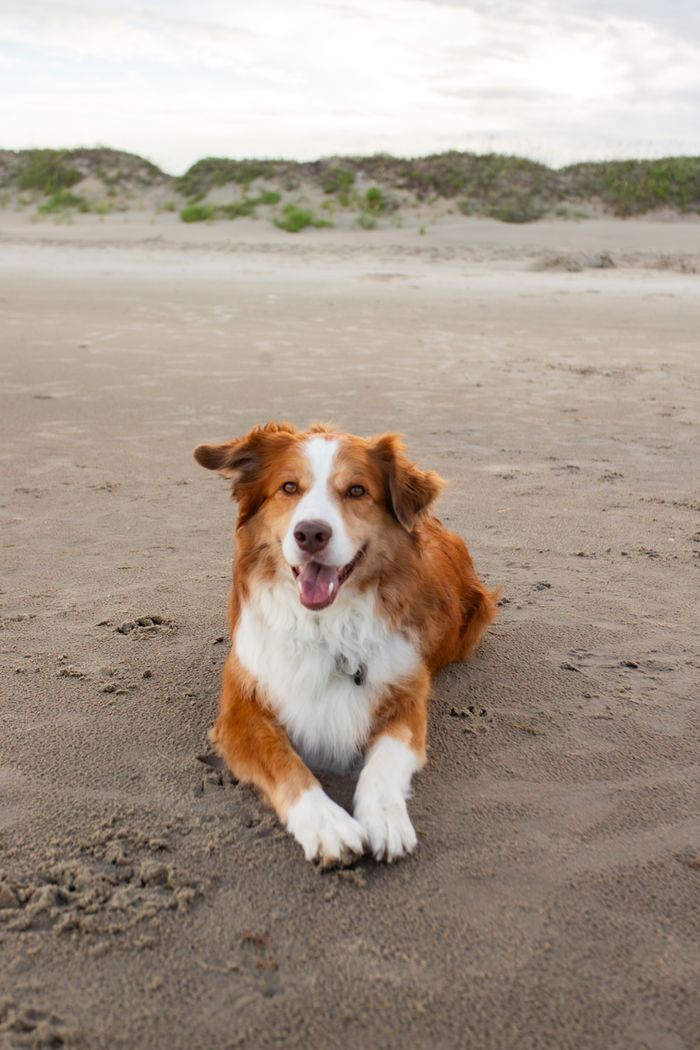
For a lot of families, a pet isn’t just an animal in the house — they’re family. So it’s no surprise that “can we bring our pet?” is one of the questions I hear most when families book a session.
The answer is almost always yes. Some of my favorite images come from the moments a pet steals the spotlight: a dog mid-zoomies, a cat tolerating exactly ninety seconds of this, or a family showing up with something a little more unexpected on a lead. Here’s what actually helps, broken down by the kind of personality you’re working with.
General tips for (almost) any pet
- Pick the right time of day. Early morning or early evening brings calmer behavior and softer light. Midday sun stresses animals out fast — especially anything with fur, feathers or hooves.
- Plan around your pet’s personality. Some animals are curious about a new person right away; others are shy or skittish. There’s no wrong reaction — knowing ahead of time just lets us plan a session that works with them, not against them.
- Don’t force the “perfect” pose. I knock out the posed shots first while your pet is calm, then let them do their own thing — a dog playing with the kids, a cat exploring. Those unscripted moments are often the ones families love most.
- Coordinate, don’t match. Complementary tones photograph beautifully. A pop of color on a collar, bandana or ribbon ties the whole image together.
- Have an extra pair of hands. A leash-holder or treat-giver just out of frame makes a real difference. On a family vacation with no spare person, a family member can double as the handler — with the right timing and hand placement, we can still get a clean, leash-free-looking photo.
- Let your pet meet me first. Before the camera comes out, I give your pet a few minutes to see me, sniff around and settle. It mirrors advice from the American Kennel Club: let the animal approach on their own terms. Calmer pet, more natural photos.
Tips for dogs

- Tire them out first. A walk or play session an hour or two before the shoot burns off the energy that would otherwise turn into pacing, barking or bolting.
- Bring high-value treats. Rewarding calm behavior in the moment gets genuine attention toward the camera.
- Keep the leash nearby. Even well-trained dogs get distracted outdoors. If you’d rather not see it in the final photo, it can usually be edited out — a leash held straight up and taut is much easier to remove than one looping across your dog.

Tips for cats

Cats don’t respond to commands the way dogs do, so we plan differently:
- Shoot at home or somewhere familiar. Most cats do best in their own space, which is why cat-inclusive sessions usually work better indoors or in a familiar backyard.
- Keep it short. We plan a brief, focused window with your cat, capture what we need, and let them opt out.
- Use sound, not just treats. A favorite toy or a crinkly bag often works better than food for a look toward the camera.
- Try a slow blink. The ASPCA notes that slow blinking can help cats relax around a new person. If your cat blinks back, they’re settling in.
- Plan a safe exit. Knowing where your cat will retreat if overwhelmed keeps the session low-stress for everyone.

Horses, farm animals and less common pets
More families are asking to include horses, goats, chickens and even the occasional reptile — and these can be some of the most striking images. A few things to know:

- Handler experience matters most. Whoever holds the lead should be someone the animal already trusts. For anything needing special caution — including anything venomous — we talk it through well before the session.
- Give more space and time. Larger animals need a bigger buffer and usually a longer session; smaller or sensitive animals do better with a short, focused window.
- Think about footing and temperature. Pasture, packed dirt or sand beats pavement for larger animals, and we’ll cut the outdoor portion short if anyone gets uncomfortable.
- Check property rules. Many public parks and preserves don’t allow horses or livestock off designated trails.
- Bring something familiar. A prop from the animal’s usual environment can put them at ease — and become part of the shot.
Know the rules before you pick a location
This is the part that’s easy to overlook: not every location that looks great in photos is open to pets, and the rules change by season, time of day and even the stretch of beach. Across Eastern NC’s beach towns:
- Some beaches allow dogs off-leash only during set windows, often early morning or evening.
- Many towns have seasonal restrictions. Carolina Beach, for example, keeps dogs off the beach from 9 a.m. to 5 p.m. between April and September.
- Leash length limits vary. Dare County (Outer Banks) allows dogs on the beach year-round on a leash of 10 feet or less.
- Some parks, preserves and historic sites prohibit pets or limit them to certain trails, and a few require proof of rabies vaccination.
Rules can shift from one town line to the next (this coastal NC roundup shows how much), so always double-check current policies with the town or park before we lock in a spot. Tell me where you’re thinking early, and I’ll help figure out whether it works for your pet — or suggest a nearby alternative. Planning a coastal session? See my favorite Outer Banks photo locations.

Bringing your pet into your family photos captures your family exactly as it really is — full personality, a little chaos and all.
Prefer to listen? Hear this episode on the Hawk Feather podcast.
Sources & further reading
- American Kennel Club, “How to Help Your Dog Be Less Fearful of Strangers”
- ASPCApro, “How to Improve Meet-and-Greet Experiences to Help Pets Get Adopted”
- Carolina Beach, NC, “Pet Rules”
- Dare County, NC, “Pets & the Beach”
- Aspyre Realty Group, “Dog Rules Change When Your Pups Can Return to Coastal NC Beaches Full Time”